5Q's w/: Jorge Morais "In Half" Director, Writer, Producer
QUESTION 1: What about your film excites you the most?
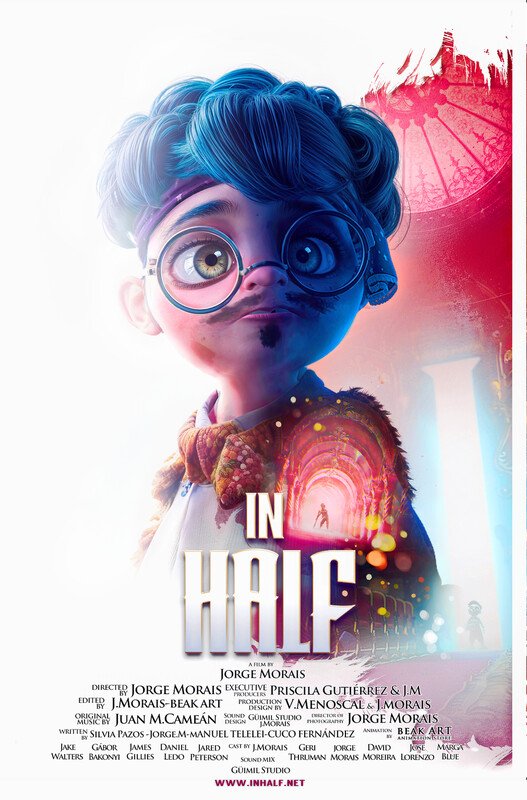
What excites me most about my film is the possibility of seeing how the audience connects with an unfamiliar space, essentially, a world that feels vaguely familiar just enough to let you enter it, only to reveal something new that offers a different perspective. The film was born from a very personal question about fear and identity, and witnessing how that inner landscape becomes a shared emotional experience is incredibly powerful for me.
I’m fascinated by the way animation can transform an invisible feeling into something tangible: a gesture, a shadow, a metaphor that suddenly exposes a truth we often avoid facing. In Half is about fear, but it’s also about tenderness, memory, and the fragile process of growing up and finding ourselves. Knowing that viewers might recognize a piece of their own inner world or confront a limitation they once had is what truly brings this project to life.
If In Half can open even a small window into introspection or emotional clarity, then the film has already fulfilled its purpose.
QUESTION 2: What is it about your current movie that will influence your next film?
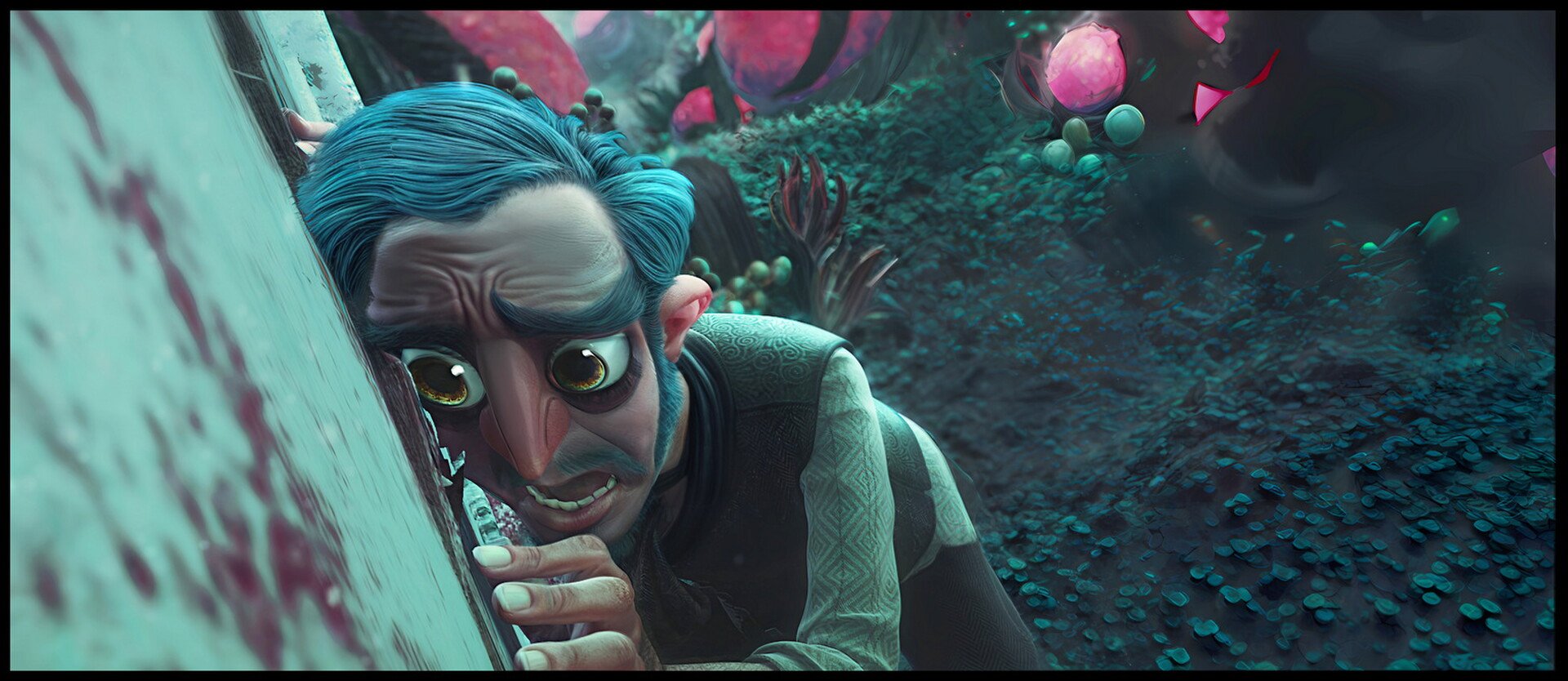
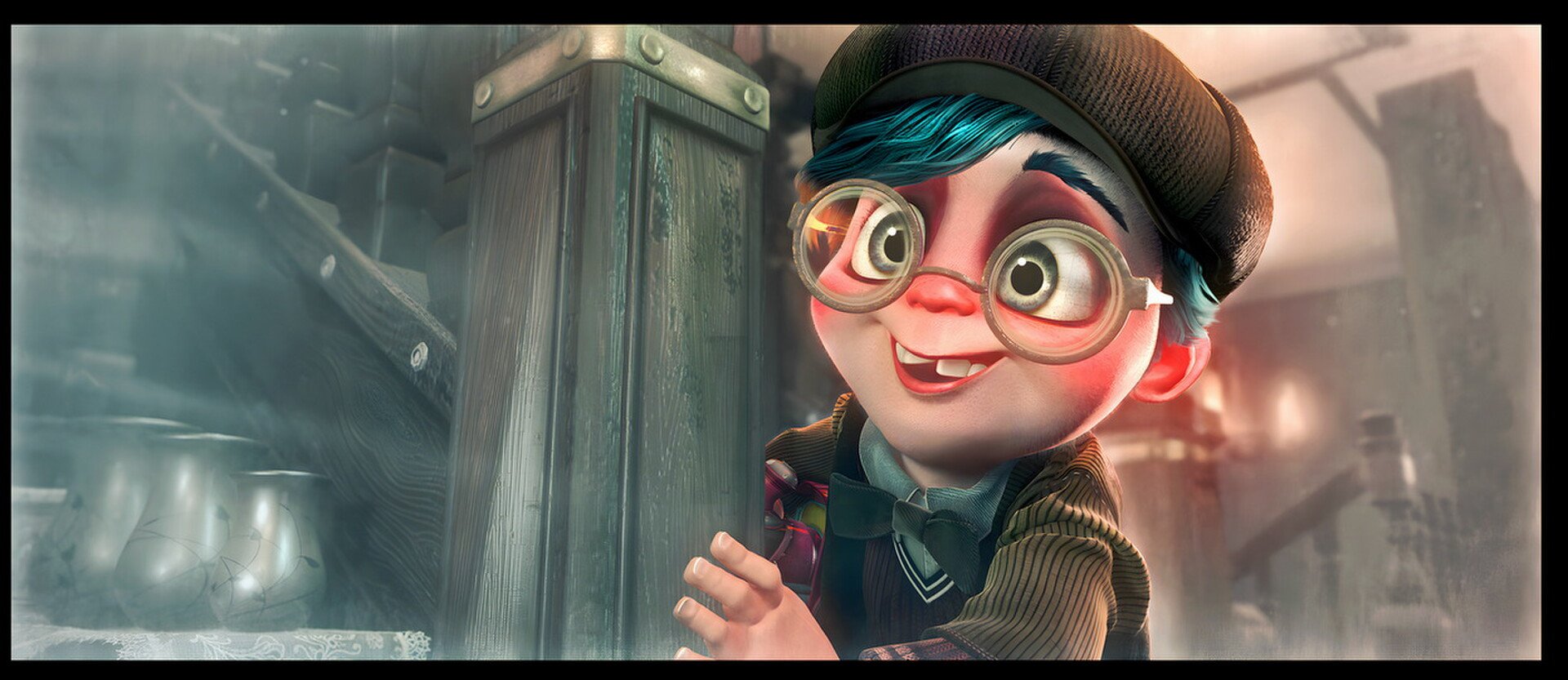
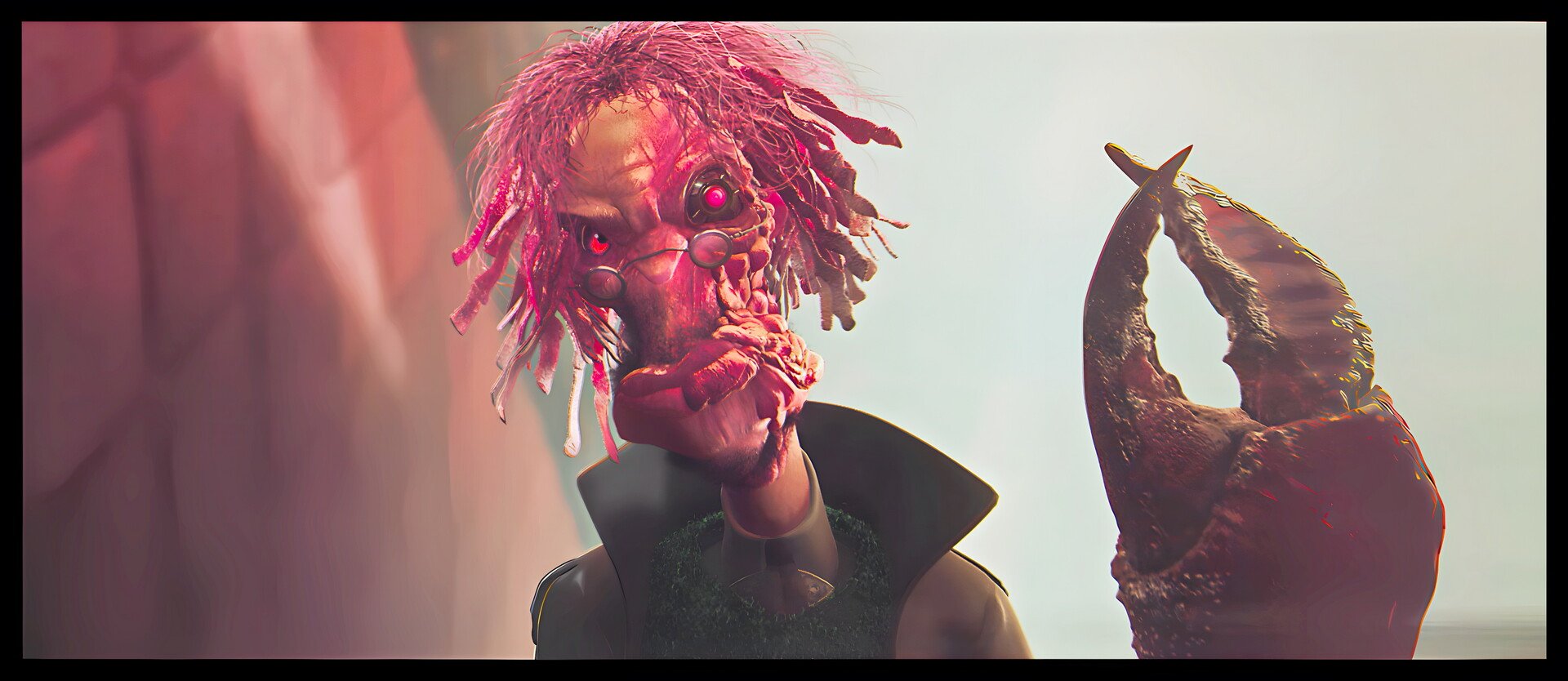
Working on In Half taught me about the immense narrative power that comes from exploring my own inner world, those emotional landscapes we rarely show but constantly inhabit. The immersive process of creating In Half reaffirmed my belief that animation can express psychological and emotional nuances in ways that live-action cinema sometimes can’t. The freedom to turn feelings into spaces, fears into creatures, and memories into visual metaphors has expanded my understanding of storytelling. In my next project, I want to take this even further, continuing to build a story driven not only by external conflicts, but also by the intimate, often invisible battles that shape who we are. But perhaps the most important influence has been personal: In Half reminded me that vulnerability is a narrative strength. Opening a door to my own fears and memories allowed the story to become more universal. My next film will continue exploring that space where personal experience transforms into collective emotion, a space that, in my view, animation uniquely allows me to enter.
QUESTION 3: When youre shooting a film do you think of time as something you capture or something you construct?
In animation, especially digital animation, time is not something you capture; it’s something you construct. Unlike live-action, where the camera records reality as it unfolds, animation requires building reality frame by frame. During the eight years I spent independently creating In Half, time became a fully designed dimension, intimately tied both to the story and to my own creative evolution.
Every stage of the process: design, modeling, rigging, texturing, lighting, and animation. Required me to fabricate time rather than simply observe it. A single second of film could take days or even weeks of work, and the emotional rhythm of the story was shaped through thousands of micro-decisions: how a character blinks, how a shadow stretches, how a gesture breathes. These small choices accumulate, creating a temporal flow that conveys both narrative and emotion.
Because In Half was such a deeply introspective project, the film became more than a story; it became a record of my personal and artistic growth. Every skill I honed, every new technique I integrated into the project subtly reshaped the film’s temporal structure, until it became a world the viewer could enter, feel, and inhabit.
QUESTION 4: Whats a limitation you wish you had on your next shoot that would force you into making interesting creative decisions?
If I could impose one limitation on my next project, it would probably be a personal one… one that doesn’t steal quite so much of my time (laughs)… ;-) Just kidding!
Working independently on In Half for so many years taught me that constraints can actually be incredibly freeing. They force you to find creative solutions for storytelling, composition, and visual expression, solutions that might never emerge if everything were “available.” I would gladly welcome any limitation that pushes me to focus on the emotional and symbolic weight of every frame, every gesture, and every color.
Ultimately, the kind of constraint that appeals to me most is one that challenges me to invent, improvise, and prioritize the essence of the story over any technical luxury. It’s those kinds of conditions that allow animation, and cinema in general, to reach its most personal, authentic, and profound form, all while having fun in the process.
QUESTION 5: If a film shoot is like a living organism which department do you think functions as its nervous system?
Oh wow!!. That’s such a fascinating question. I love the idea of thinking of a film as a living organism, where every part breathes and vibrates with purposeful life.
Well… I’d say the script and editing departments function like the nervous system of a film. In animation, every movement, color, and sound exists to serve the story; nothing is accidental or improvised. Just like the nervous system senses, processes, and responds, the script and editing guide every decision, connecting all departments; design, animation, lighting, etc._into a coherent, responsive whole.
During the long process of creating In Half, I realized that the story is what feels the emotional pulse of the film. It sets the rhythm, informs visual choices, and ensures that every frame communicates intention and emotion. Without that central “nervous system,” even the most beautiful animation or the most carefully crafted character design could feel empty or disconnected from the narrative.
So, while every department contributes to the organism, it’s the story and the way it’s shaped and refined in the edit that keeps the film alive, responsive, and emotionally aware.