5Q's w/: Remi Gangarossa "Marilyn's Dark Paradise" Director, Writer, Producer
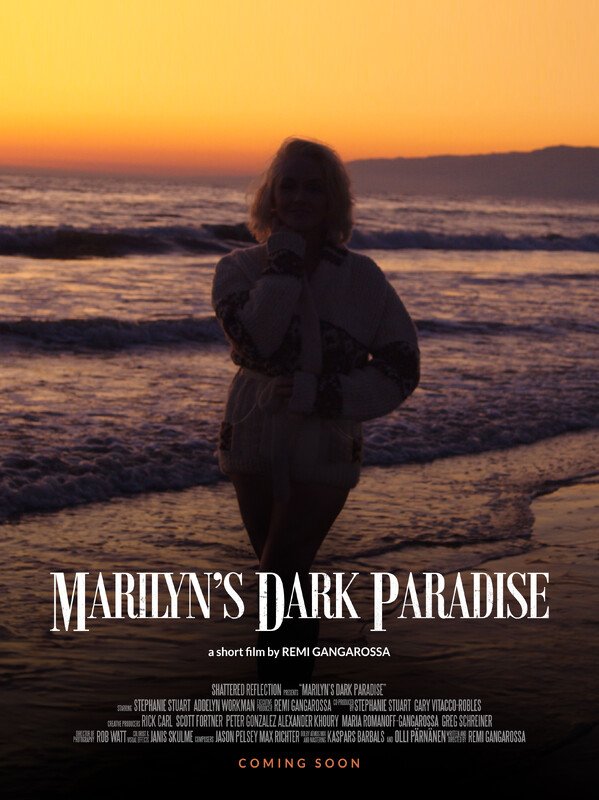
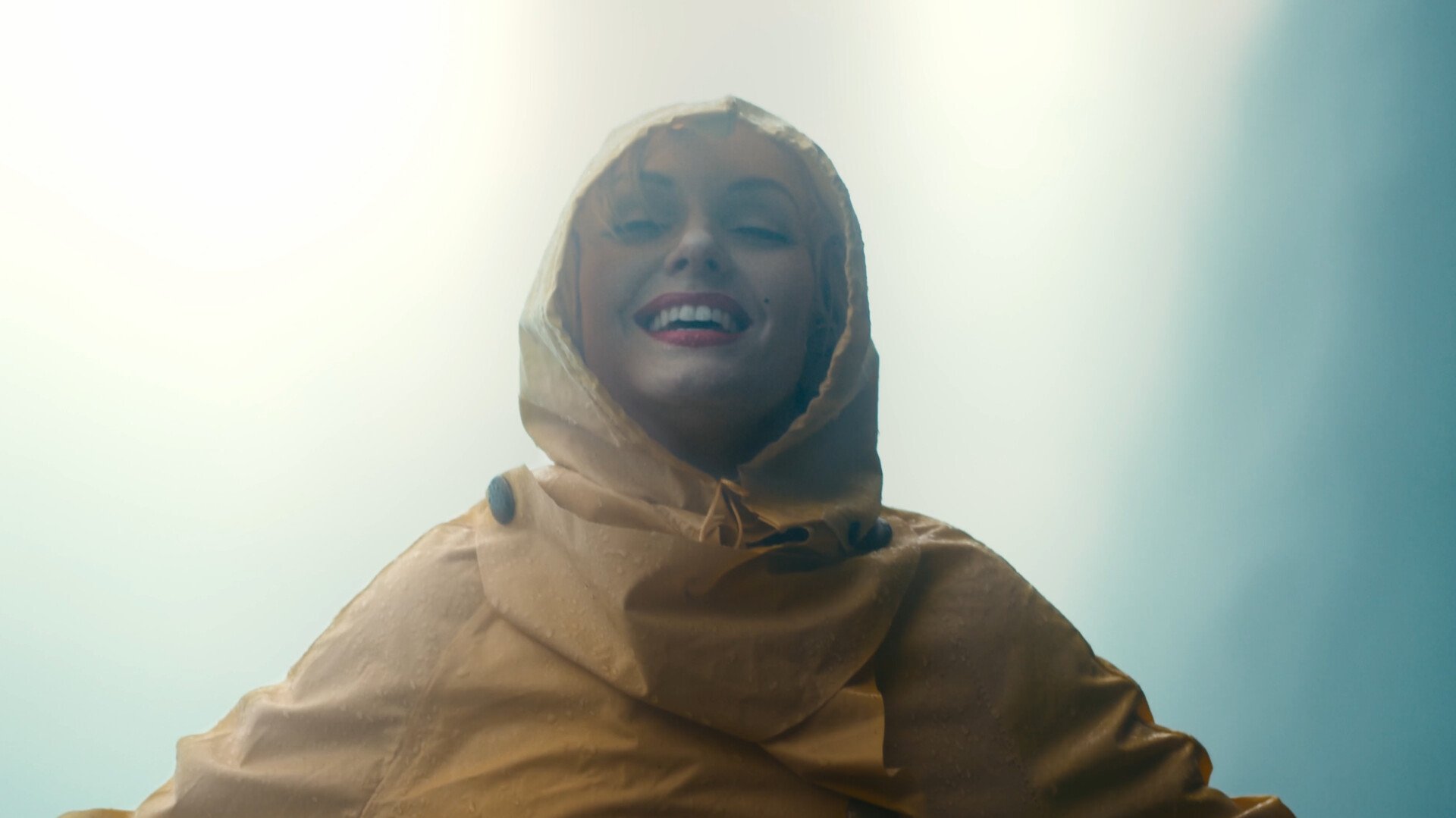
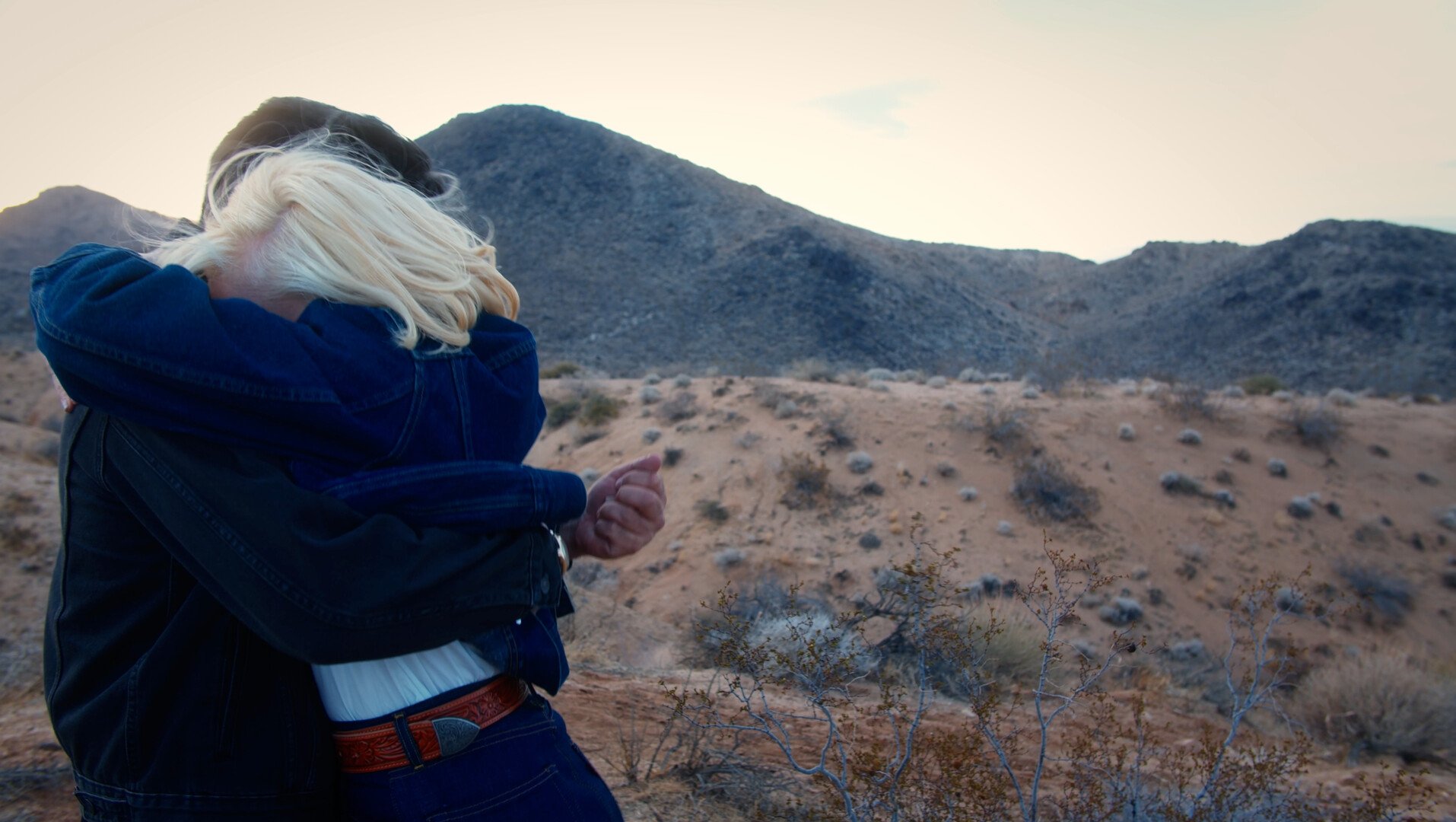
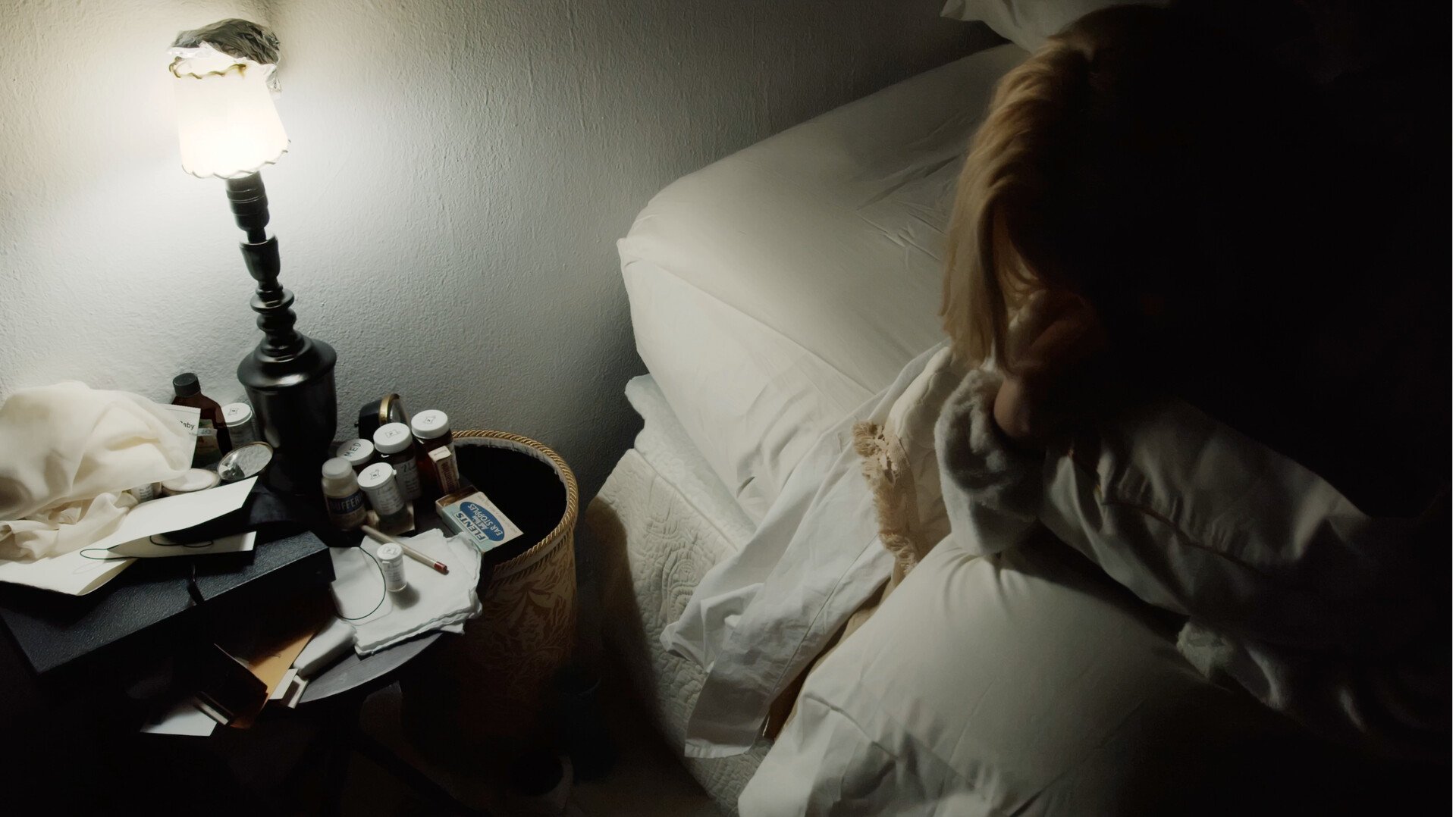
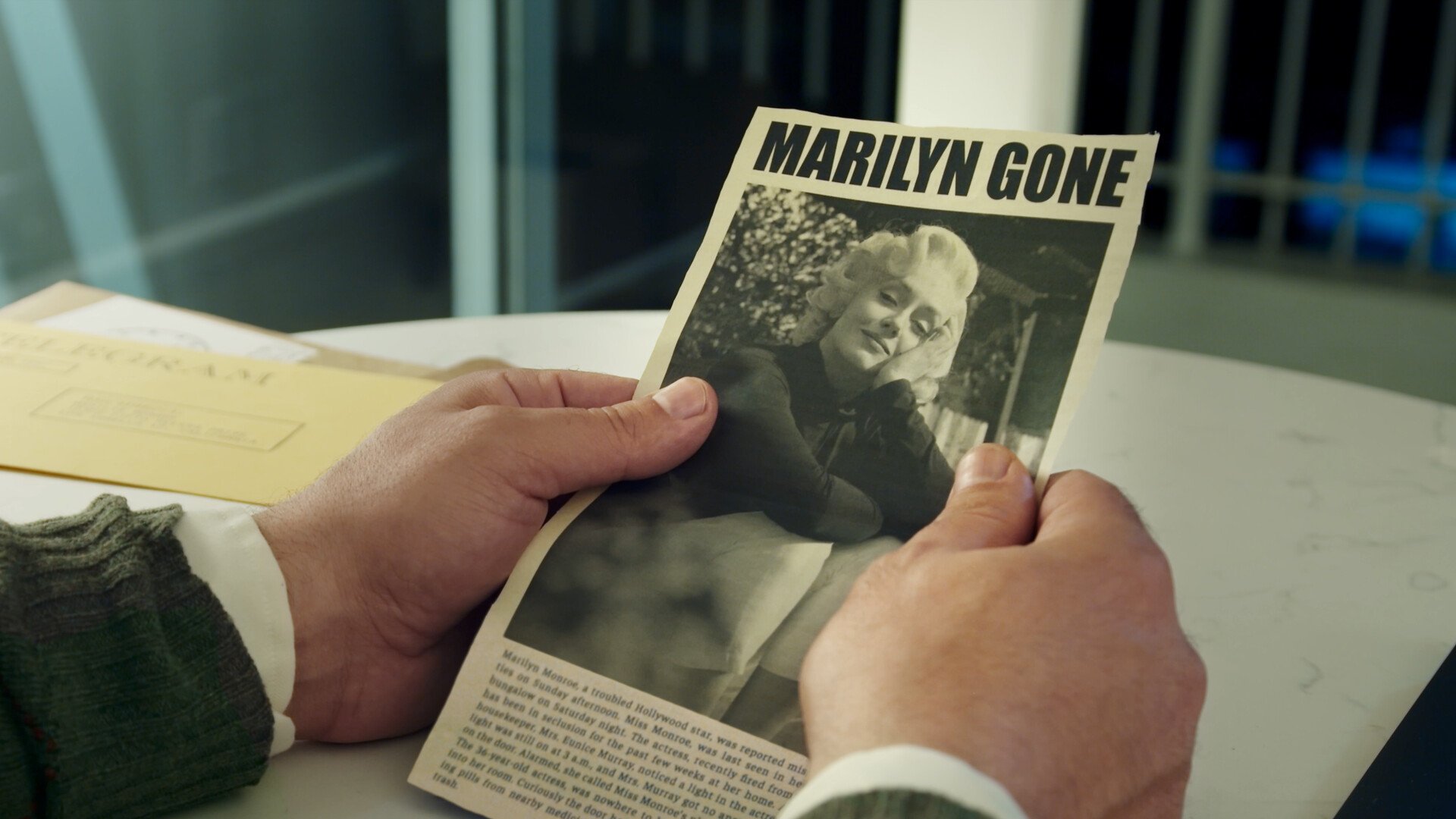
QUESTION#1: What about your film excites you the most?: What excites me most is that this film took nearly a decade to make and it finally gets to meet its audience. True Marilyn fans are exhausted by lazy storytelling, whether it is conspiracy driven or fictionalized in ways that keep her safely mythic and conveniently misunderstood. I wanted to introduce time travel not as a spectacle, but as a way to sit closer to her. Think less science fiction and more emotional proximity. Time travel became a tool to explore perseverance and resilience rather than rewrite history. When you make a film about your hero, excitement is inevitable, but for me, getting it right is non-negotiable.
QUESTION#2: What is it about your current movie that will influence your next film?: This film confirmed that I cannot fake emotional investment. I need to care deeply, or I should probably not be making the movie. On Marilyn’s Dark Paradise, I was uncompromising about honoring her truth. That meant the story had to feel like Marilyn, the edit had to feel like Marilyn, the music had to feel like Marilyn, and even the color grading had to feel like Marilyn. Timelines mattered. Details mattered, something that has not always been prioritized in films about Marilyn. As a first film, I wondered if I would loosen that grip on future projects. The answer is no. I am unrelenting about craft, but ironically I am fascinated by stories that ask when holding on becomes a form of interference. That philosophy will carry into my next film, which may draw inspiration from The Catcher in the Rye, particularly the main character's instinct to protect his sister, a familiar impulse in Marilyn’s Dark Paradise, where intervention and personal growth do not always coexist.
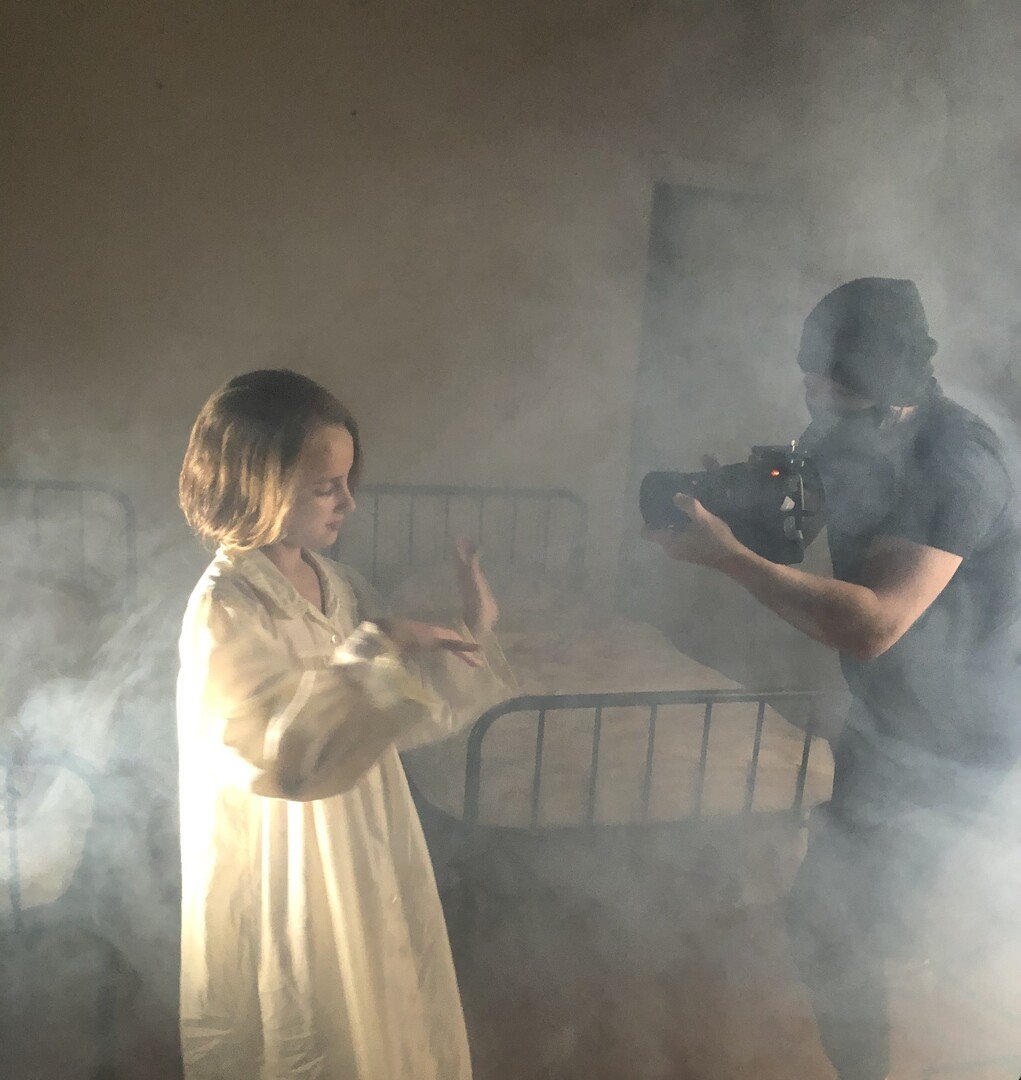
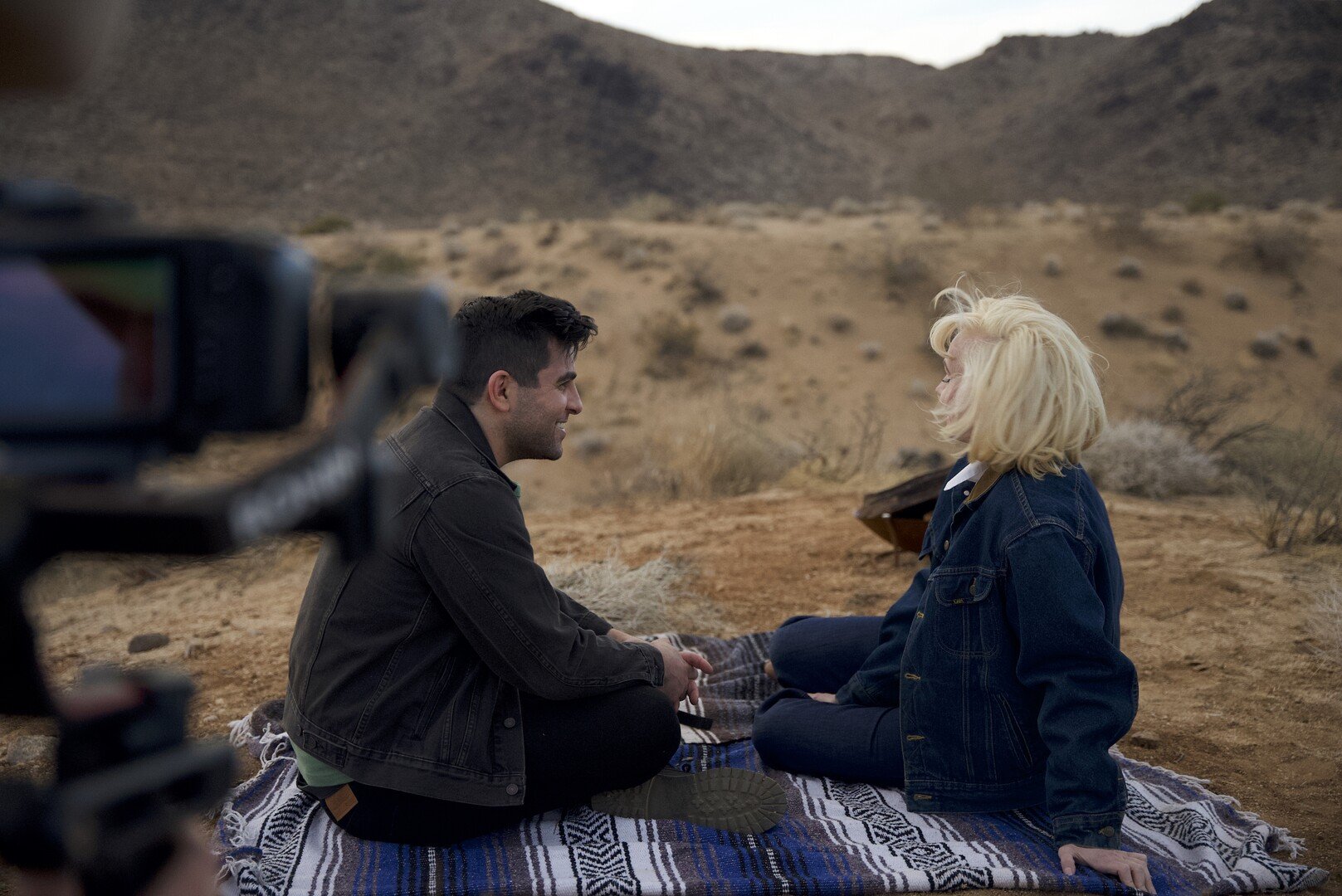
QUESTION#3: When you’re shooting a film, do you think of time as something you capture or something you construct?: Given that my film deals with time travel, I appreciate the irony of this question. For me, time is captured, not constructed. You can plan endlessly, but at some point a moment either shows up or it does not. I keep shooting until I know I have the shot. Sometimes that happens immediately, sometimes it takes many attempts. That is why trust and expectation setting with your team are essential. I am very upfront about my process. I do not always know I have what I need until it happens, but when it does, I feel it instantly. That moment cannot be manufactured, it has to be caught. This film would not exist without a team willing to sign up for that uncertainty. They showed up with patience, grit, and a shared belief that the right moment is worth waiting for. Real art asks for trust and forgiveness along the way, and without that kind of collaboration, Marilyn’s Dark Paradise never happens. They are the reason we were able to bring Marilyn Monroe back to life for this film, and the fact that they still answer my calls reminds me just how lucky I am to have a team like them. 🙂
QUESTION#4: What’s a limitation you wish you had on your next shoot that would force you into making interesting creative decisions?: I am not interested in limitations that rush the process. I like staying with a scene until the image and the emotion fully lock in. The limitation I would welcome is restraint before the camera ever rolls. Fewer conceptual directions, fewer thematic lanes, and a very clear north star. That kind of constraint forces focus. It allows me to go deeper rather than wider, to keep shooting until I know I have it, while making sure every take is in service of something intentional rather than accidental, which is my polite way of saying I will keep rolling until it works.
QUESTION#5: If a film shoot is like a living organism, which department do you think functions as its nervous system?: For me, it is music, without hesitation. Music processes emotion faster than dialogue ever can. It reacts instantly to performance, shapes how time is felt, and tells the audience what matters before they consciously realize it. I am drawn to storytelling that lets languages other than dialogue do the talking, and music is the most instinctive of them all. On Marilyn’s Dark Paradise, the score was not something added at the end, it was something the film listened to while becoming itself.
That process was shaped in close collaboration with one of the best composers in the world, Jason Pelsey, who had the patience to live inside the film with me until the music finally revealed what it wanted to be. When music works, the entire organism responds. When it does not, you feel it immediately, usually before you know why. In that sense, music behaves exactly like a nervous system, and over the course of this film, Jason and I managed to hit the right nerve, and each other’s, a few times along the way. 😛
If you want to see that connection firsthand, this short clip shows how Jason Pelsey becomes inseparable from the music of Marilyn’s Dark Paradise as it takes shape:
https://www.instagram.com/p/DRT7IpBkcQm/
Social media tags to share with our readers: #marilynsdarkparadise, #marilynmonroe, #stephaniestuart, #remigangarossa, #garyvitaccorobles, #jasonpelsey, #robwatt