5Q's w/: Caroline Boyd "A Life of Intent: Growing Desert Roots" Director
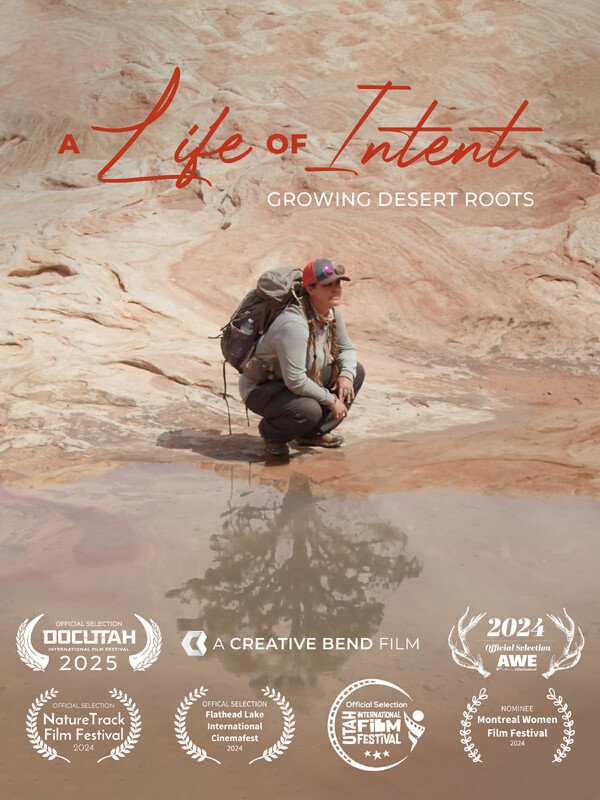
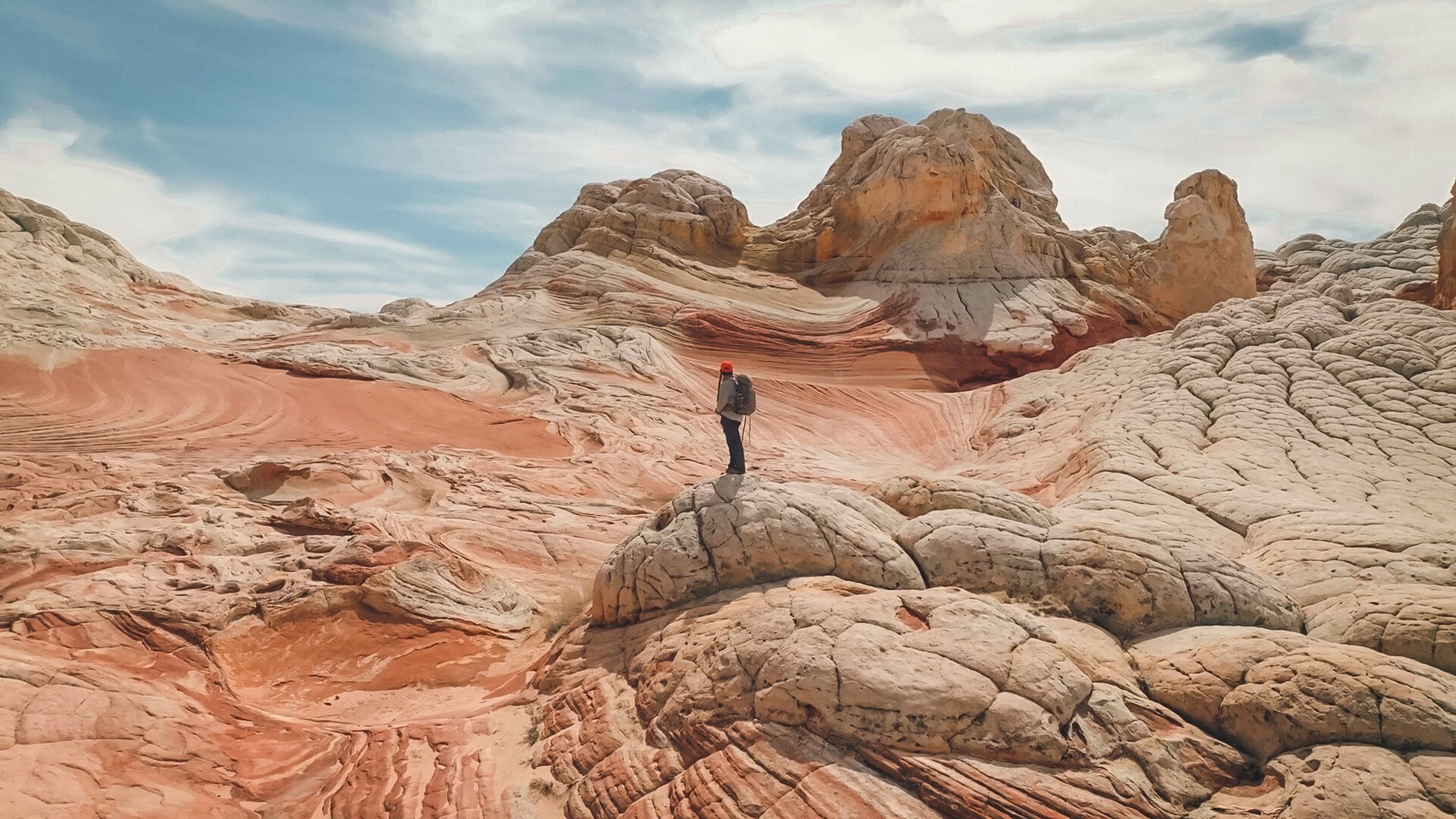
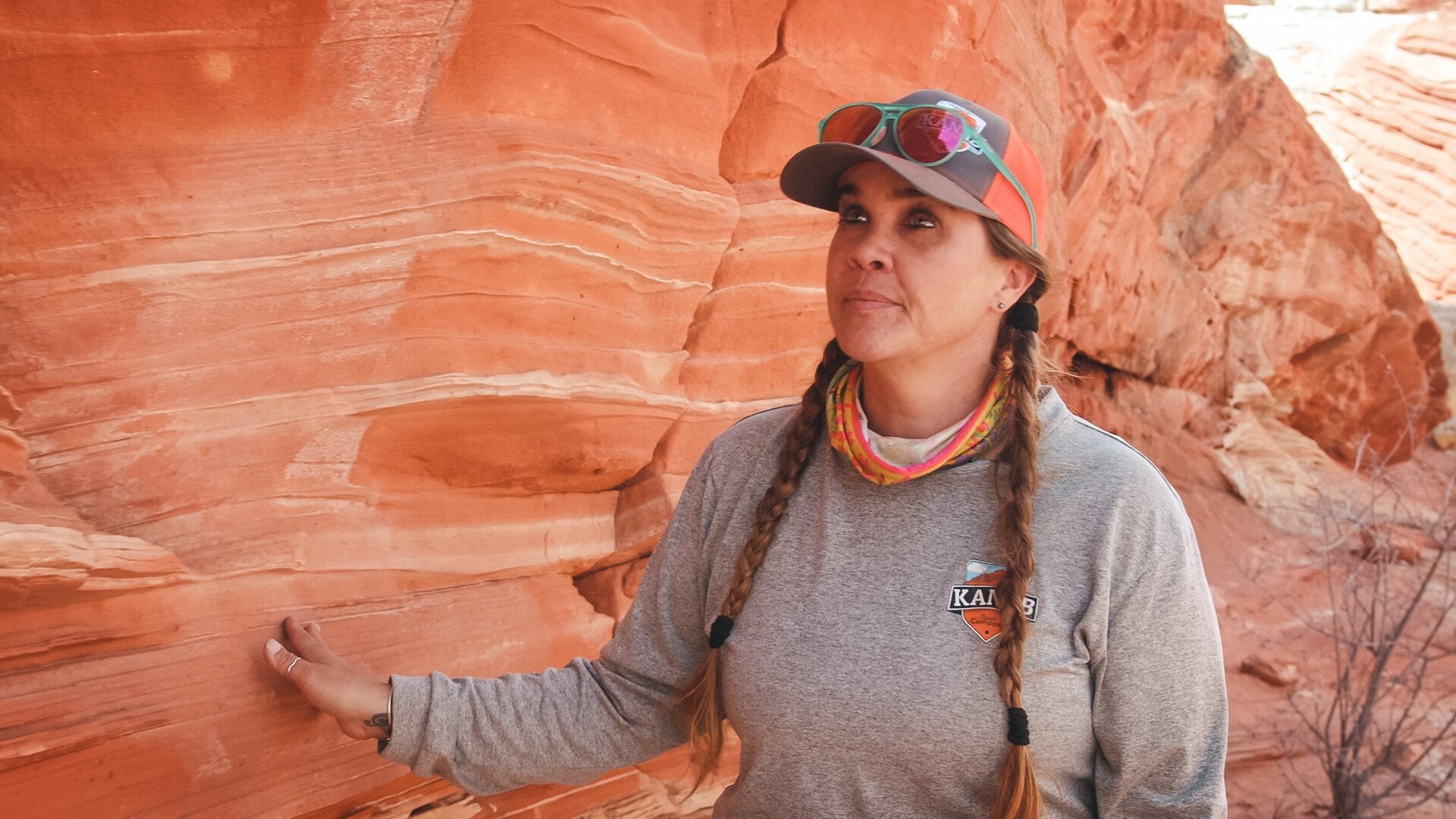
QUESTION#1: What about your film excites you the most?: In 'A Life of Intent,' we witness Shelly's transformative journey from trauma to a life of resilience and creativity. Set in the Southwest's serene landscapes, Shelly's story unfolds with raw honesty and unwavering courage. Through her own words and captivating visuals, we explore the healing power of nature and its connection to our own human experience. This film is a celebration of the human spirit's capacity to find meaning and beauty amidst adversity. It honors Shelly's voice and vision, inviting audiences to discover the profound connection between acceptance and purpose.
QUESTION#2: What is it about your current movie that will influence your next film?: A Life of Intent is rooted in resilience—the quiet, steady perseverance of a woman rebuilding her life after profound trauma. Shelly’s story unfolds as one of hope and transformation, guided by self-discovery and the restorative power of nature. That same belief shapes Over the Hill, a documentary currently in production that challenges stereotypes around “middle age” by following four women over 40 as they embark on a beginner backpacking trip through Utah’s wilderness. Carrying only the supplies on their backs, the women confront questions of identity, capability, and belonging while navigating challenging terrain together. Their journey is one of resilience, hope, and transformation, echoing the quiet perseverance seen in A Life of Intent. Nature, again, provides both a physical and emotional landscape for reflection and growth. The film honors the idea that meaningful change comes from courage, community, and trusting the process. The lessons from A Life of Intent—putting human experience at the center, honoring change, and letting the story unfold on its own terms—carry into Over the Hill, shaping how the women’s journeys are captured with intimacy and empathy. Above all, both films carry the enduring belief that it’s never too late to begin again.
QUESTION#3: When you’re shooting a film, do you think of time as something you capture or something you construct?: When shooting a film, time isn’t just something that’s captured by the camera. What’s recorded is real, but how time is experienced is shaped in the process of making the film. Moments can be allowed to breathe or be cut short, and that choice changes everything. Through pacing, performance, and editing, time becomes flexible—seconds can stretch, and years can disappear in a single cut. In that way, film doesn’t just observe time, it constructs how it’s felt.
QUESTION#4: What’s a limitation you wish you had on your next shoot that would force you into making interesting creative decisions?: Our current film in production, Over the Hill, is a documentary that has stretched us the most as a team because of its constraints.
Over the Hill challenges stereotypes around “middle age” by following four women over 40 as they embark on a beginner backpacking trip through Utah’s wilderness. Carrying everything they need on their backs, the women grapple with questions of identity, capability, and belonging, relying on one another as they move through unfamiliar and demanding terrain.
Those same constraints define how the film is made. Working as a two-person crew, all equipment is carried into the wilderness alongside the participants, resulting in an intentionally minimal setup. This limitation forces careful choices about what moments are essential, prioritizing presence and intimacy over coverage. With fewer tools and no excess, the process encourages deeper listening, longer observation, and space for moments to unfold naturally. In this way, working within constraint becomes a creative ally, shaping a film that feels grounded, honest, and closely connected to the experience at its core.
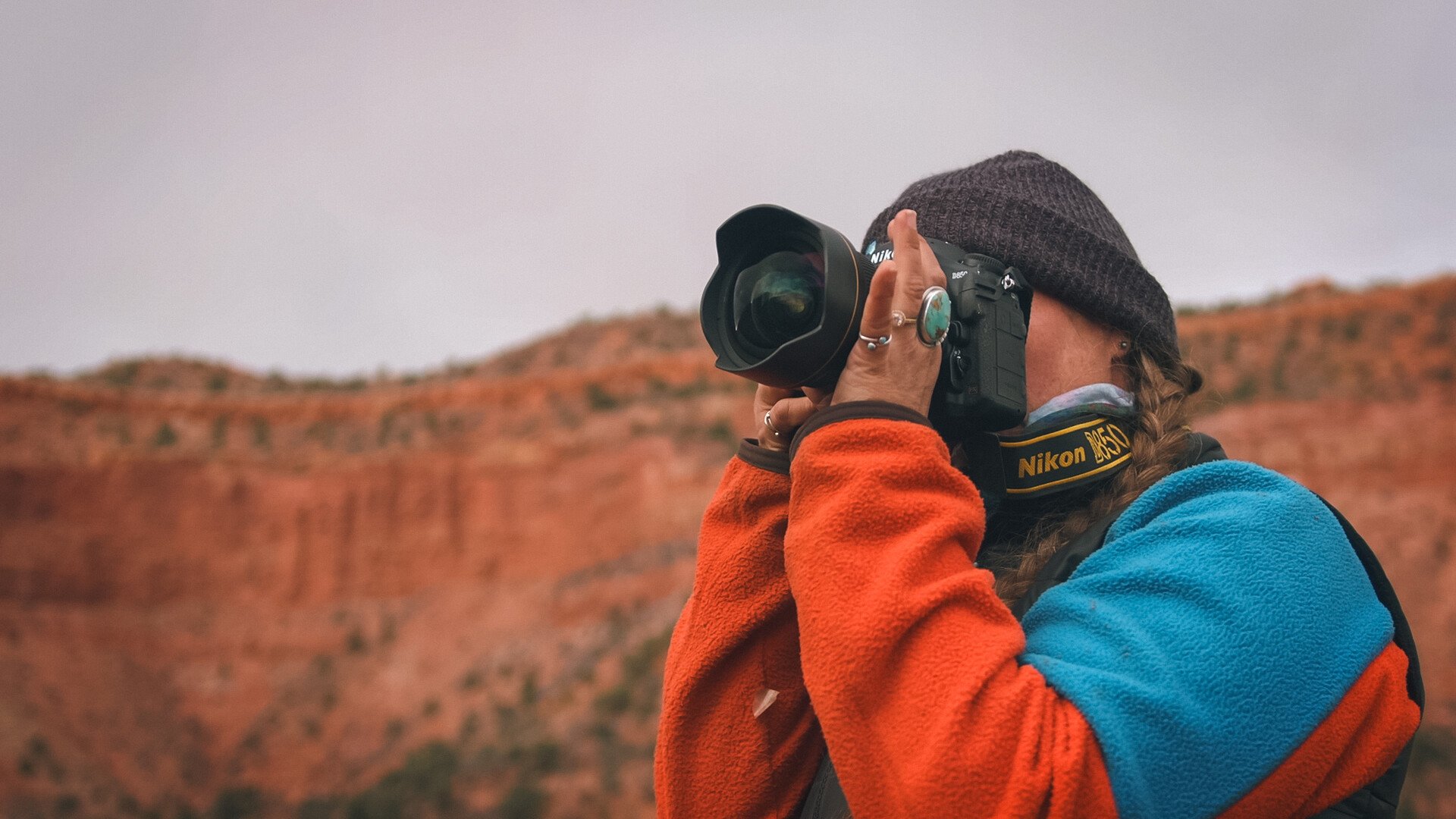
QUESTION#5: If a film shoot is like a living organism, which department do you think functions as its nervous system?: If a film shoot is like a living organism, the camera and sound departments are its nervous system. They’re the ones constantly sensing what’s happening on set—the subtle shifts in performance, the changes in light or sound, the energy in the space—and sending that information back to the rest of the crew. They help everyone respond in the moment, making sure the story stays alive and connected. Without them, the film loses its pulse, and the heartbeat of the shoot just wouldn’t be the same.
Social media tags to share with our readers: @creativebendfilms @overthehilldocumentary