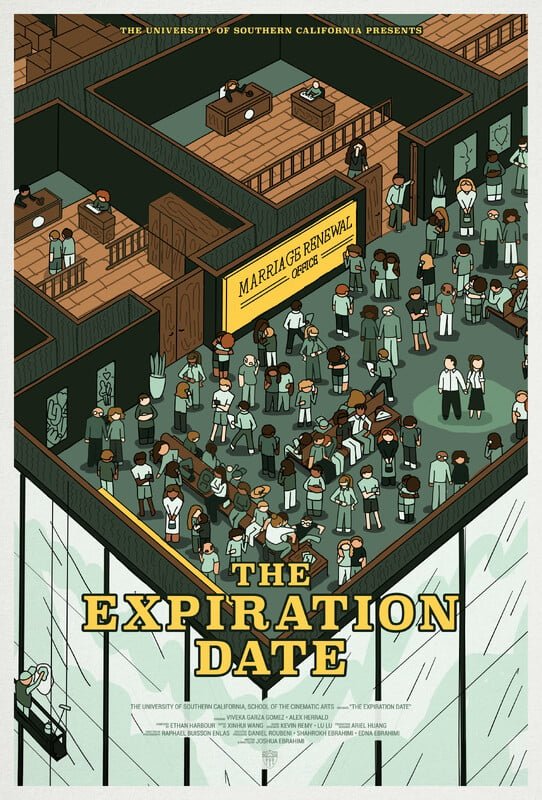
5Q's w/: Joshua Ebrahimi "The Expiration Date" Director, Writer
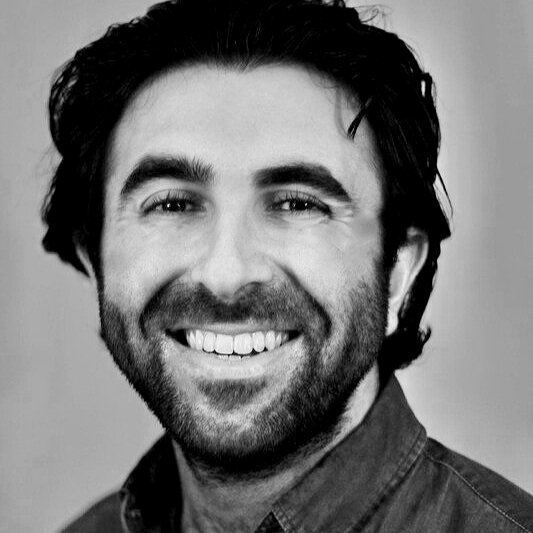
QUESTION#1: What has become your favorite memory in creating this film?: There isn’t a specific moment for me that was my favorite. The whole physical production was really a great memory. This was the biggest film I’d worked on, as I had a larger cast and crew and a bigger budget. So I was very nervous that it was going to be a disaster. But it really was the most fun experience I’ve ever had directing compared to any of my previous shorts. We had a great team around us who were all in good spirits. People on our team really seemed to like the high concept we had, and a lot of them were ready to take the initiative to make this film turn out great.
Usually, when I’m directing on set, I feel like I’m in my element, but the stakes were kind of low. They were exercises for my classes at USC or just something I was doing for fun. This project meant a lot to me, though. I was proud of what I wrote and wanted to get it right. I really wanted to see if I was good at directing. Seeing how passionate everyone was about bringing this film to life each day is a core memory and cemented my dream of directing more than ever.
QUESTION#2: What did you learn on this film that you will definitely use when making your next film?: You know, they often say you learn a lot from your mistakes, but it doesn't get said enough that you also learn a lot from your successes. Trust was something really important that I learned on this film.
Like I said before, this was the biggest film I've directed. Often, when you're directing shorts, you have to take on a lot of responsibility, perform other roles, or micromanage your vision. For The Expiration Date, this was a new experience for me because I had a costume designer, production designer, assistant director, and so on. I had to learn to trust these people to take ownership of their work without feeling the need to micromanage every decision.
It took a lot of the anxiety away and really helped me focus on what mattered most to me as a director, particularly the performances and the shots we needed to prioritize on set. Seeing how much my team brought to the film and how well it all turned out reinforced how important that trust was. It's definitely something I want to carry into my future films.
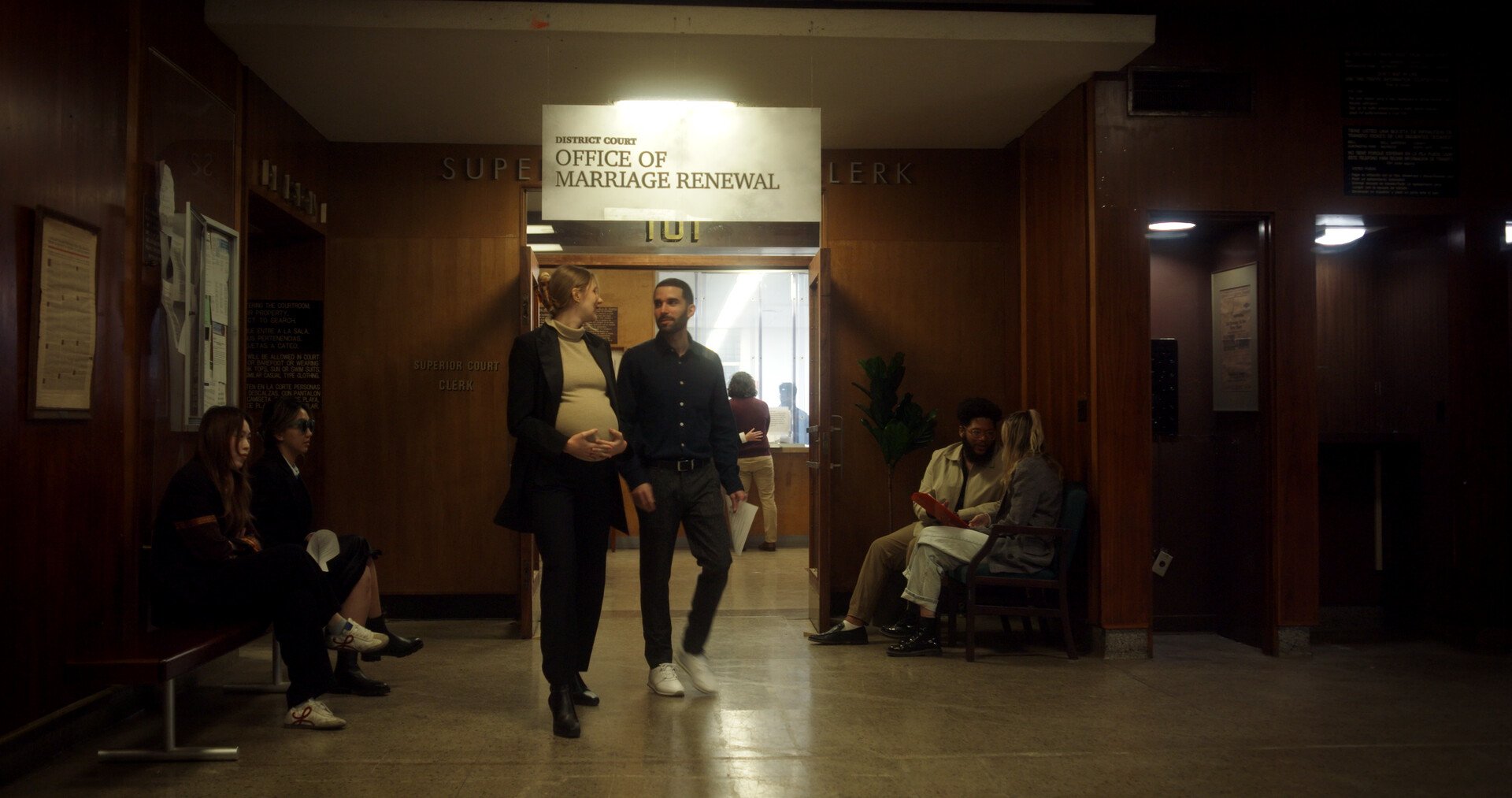
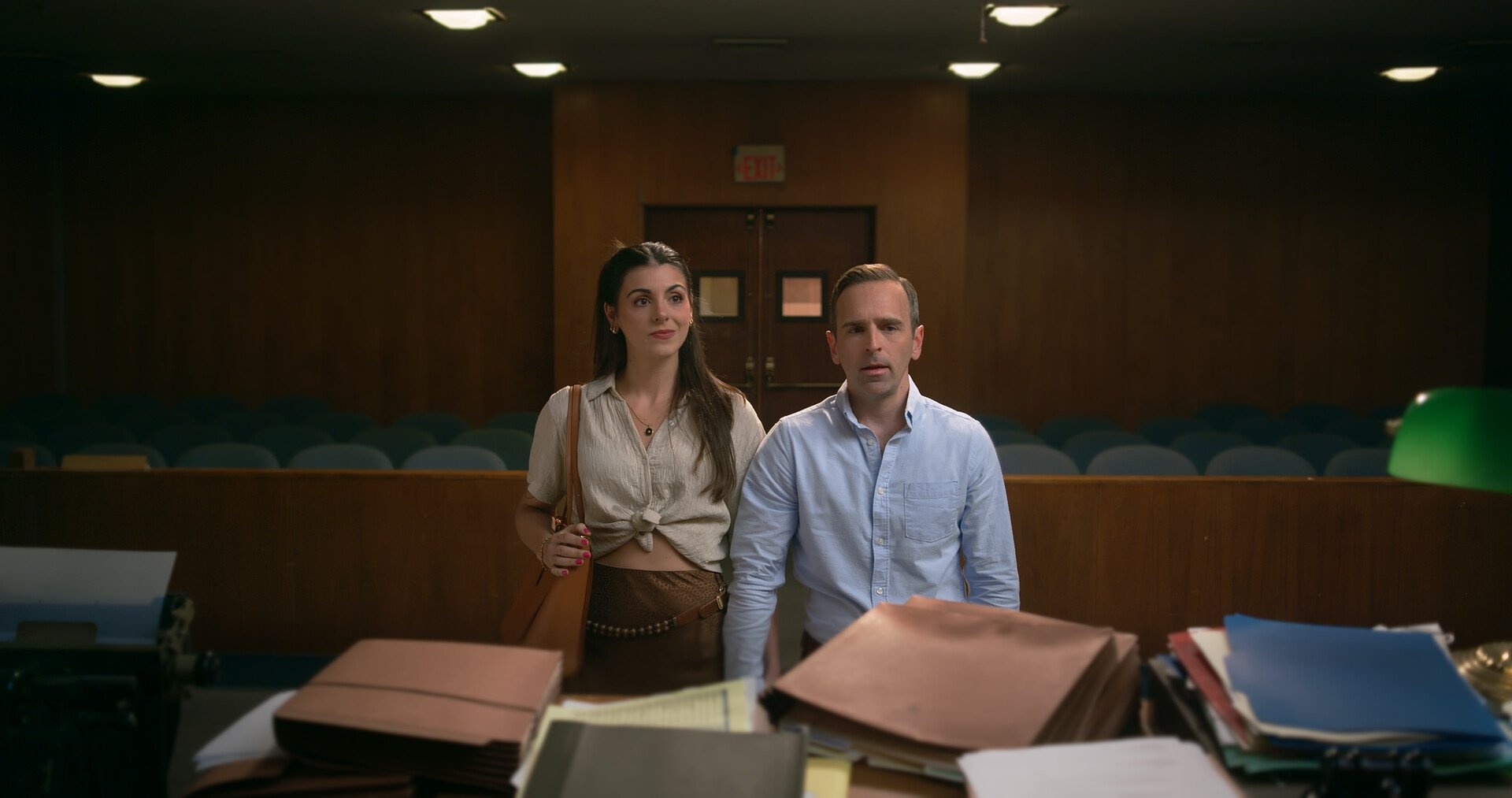
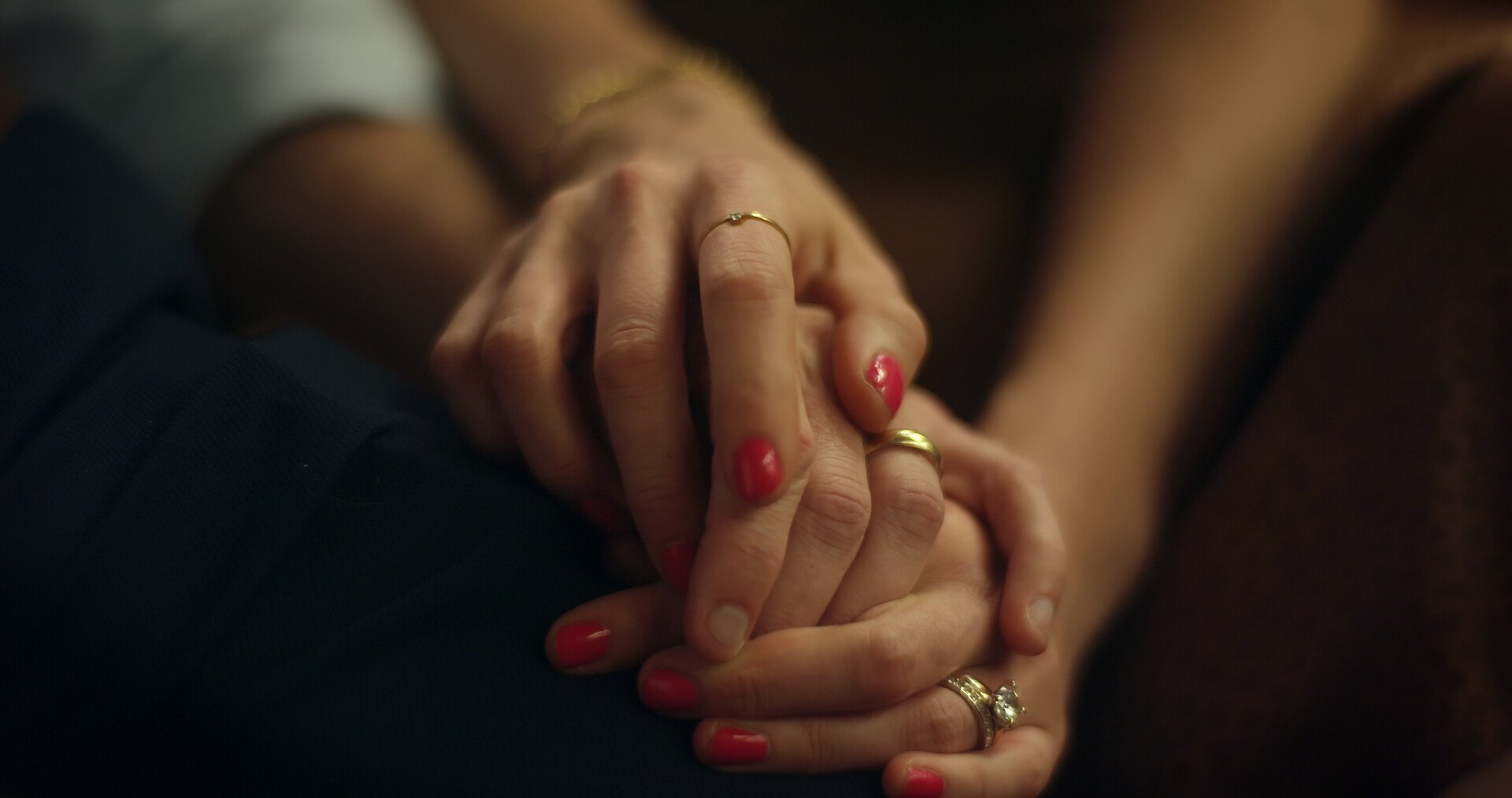
QUESTION#3: When it came time to edit your film, what did you prioritize in the edit and why?: The biggest priority my editor Xinhui and I had was to be patient. Really dig into the stillness of each scene and not rely on quick cutting or excessive coverage. I wanted viewers to stay in the moment and actually listen to these two characters discuss their marriage and the choice they had to make. Let the performances drive the story. We wanted to cut to close-ups only when they were significant, whether it was a secret, an emotional realization, or a change in Eric or Layla’s psychological state.
I didn't want this to feel like a troubled-couple movie where the tension comes from heated arguments, like you see in Marriage Story or Revolutionary Road. The script wasn't written that way, and I worried that approaching the edit like that would lead viewers to judge the characters rather than understand them. We wanted it to feel more like Ingmar Bergman's Scenes from a Marriage. To listen, feel like a third person in the room, and understand that these are two complicated characters facing an incredibly difficult and unusual situation.
There's often an expectation today for films to move quickly, but I felt that cutting away too frequently would take away from the intimacy and attention these conversations needed. For this film, allowing those moments to breathe was essential.
QUESTION#4: Out of all the various crafting techniques it takes to make a film, which one is the most challenging for you, and what are you doing to improve in that area?: Creating the music for the film. I love movies with great scores and soundtracks, and it’s something I’d like to explore more with my own films. I think it’s more difficult for me to convey what I want musically than the visual aspects of filmmaking. Explaining an auditory feeling is still so outside my comfort zone. I was fortunate to have Ethan as my composer on The Expiration Date, who brought so much to the film musically. But the experience also made me realize how much I still have to learn about communicating musical ideas. And when you get to the end of post-production, there’s often that feeling of just wanting to finish the movie.
So in the future, I want to spend more time with my composers and music supervisors, especially earlier in the process. With my DPs, we often have long, informal meetings where we just go over the vision until eventually we become aligned. I think that approach needs to carry over into my musical collaborations as well. Lately, I've started creating playlists for the scripts I write so that whoever I collaborate with musically can get a better sense of the tone I'm going for. So we'll see how that goes!
QUESTION#5: If creating a film is like a making a cookie, what part of the bake matters the most, and what flavor is your movie's cookie?: I think the most important part is knowing how long to leave the cookie in the oven. You can have a great recipe and all the right ingredients, but if you don't give it the right amount of time, it won't come together. I think filmmaking is similar. You need to know when to let things breathe and when to move on. That was especially important for The Expiration Date, where so much of the story relies on the performances and the conversations between these two characters.
As for the flavor, I'd say dark chocolate with sea salt. It's bittersweet, and sometimes the bitterness is what makes you appreciate the sweetness. I think that captures the film pretty well.
And, of course, this cookie comes with an expiration date.