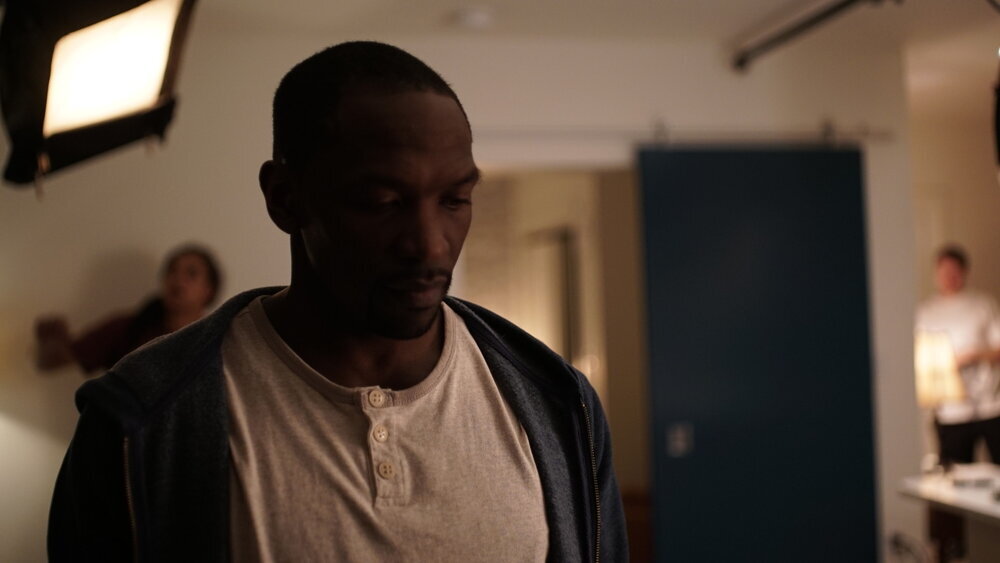
5Q's w/Michael Jibrin "A Prince Is Not Respected In His Hometown" Writer
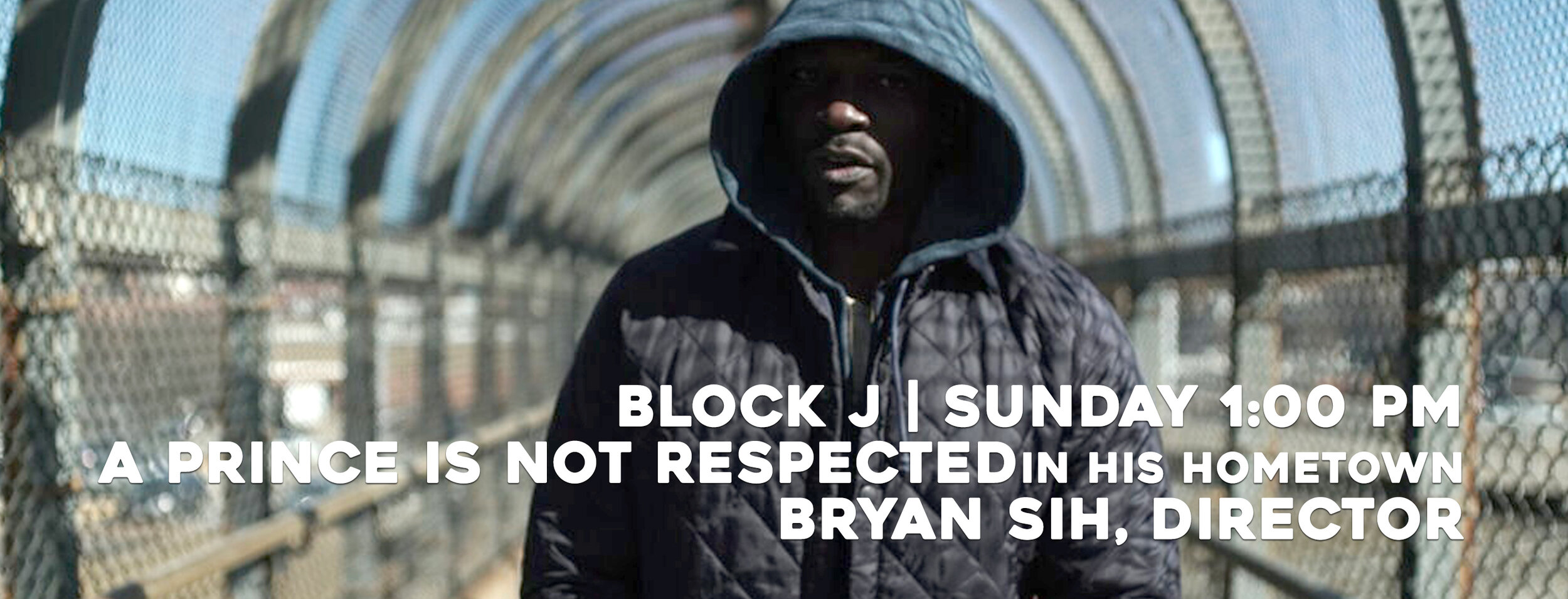
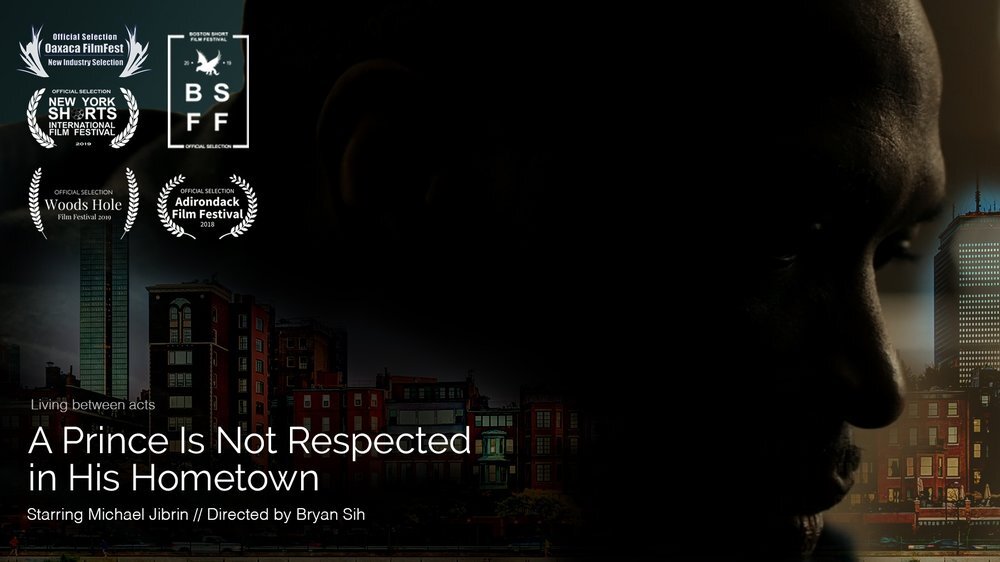
#1: Can you describe your movie and why somebody should see it?
The film challenged the idea of a monolithic black culture in America through a Nigerian immigrant’s nuanced take on identity as an actor.
#2: What do you want the Borrego Springs Film Festival audience to know about your film that isn’t obvious from its title?
I speak my native language “Hausa” which is generally spoken in Northern Nigeria. The language that I speak, along with English, is important to me because it really confounds who you might think I am at the beginning of the film. It begins to play with audience expectations and stereotypes. The language almost becomes evidence of the multiplicity that I feel within myself.
#3: What is your movie making background? Tell us about yourself.
I am an actor, podcaster, and also do a little bit of writing on the side. I got a point in my career where constantly auditioning and waiting on my agent got me frustrated. I then decided to go out and make a film. But none of that would have been possible without my team, director Bryan Sih and cinematographer Yahna Harris.
Bryan Sih and Yahna Harris are full time filmmakers who make shorts, music videos, and documentaries in L.A. They’ve been working together since college to make work and have grown together to have quite a shorthand.
#4: What was the biggest lesson learned in getting your film made?
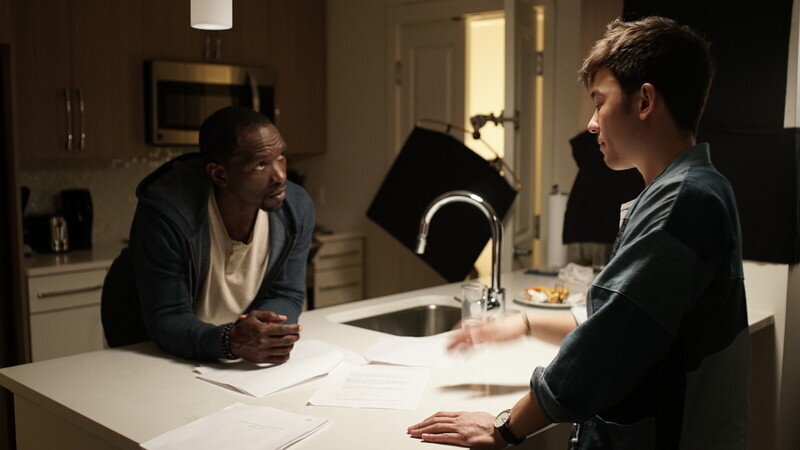
Always remember, it’s okay to ask for help. For a while, the film was just a script, an idea that I had written a scene around. I asked for help from other actors, and faced many dead ends. But one actor, whom I followed up with, suddenly introduced me to Bryan Sih. I watched his work and liked it, so I reached out to meet. We hit it off right away over some burritos, and had a very intense talk about these in-between states of identity.
For me, I struggle with being a Nigerian playing African Americans in the film industry. My relationship to African American culture is always through an exported image of American culture (which is hit upon in the film). I don’t identify with that culture as much as my Nigerian roots. Bryan occupies a space between Asian-American and white identity. We hit it off talking about the complexities that come with that and the rest is history. We dove into rehearsals pretty soon after.
#5: What does the future hold for your film and you?
I would love to turn my film into a series or a feature length film, and for it to continue playing in festivals around the world. For me, as an actor, I will be auditioning trying to get roles. For Bryan and Yahna, they are constantly making documentaries, shorts, branded content, and music videos. They are coming out with a feature film in a collage style about a black family living in a small town in Maryland.