5Q's w/: Christopher Santiago "Road to Al-Qa'im" Director, Writer, Producer

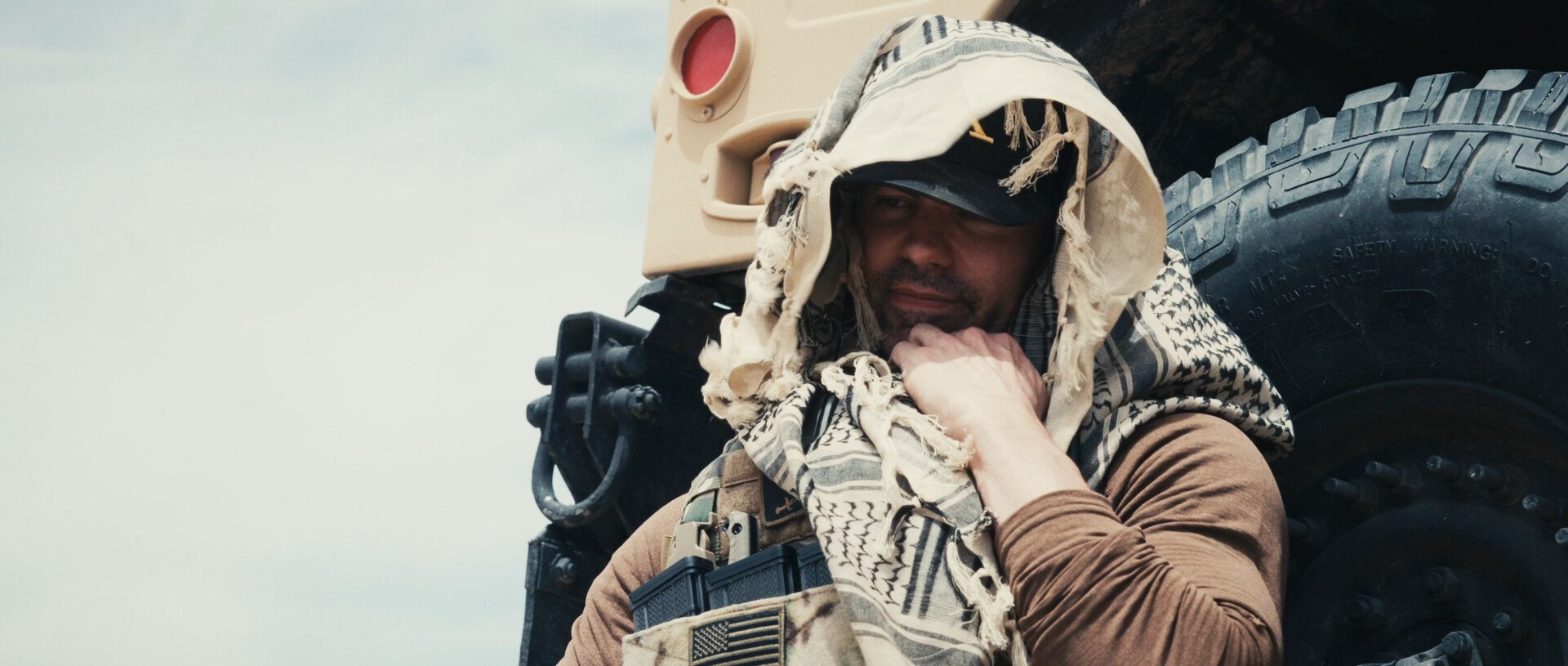
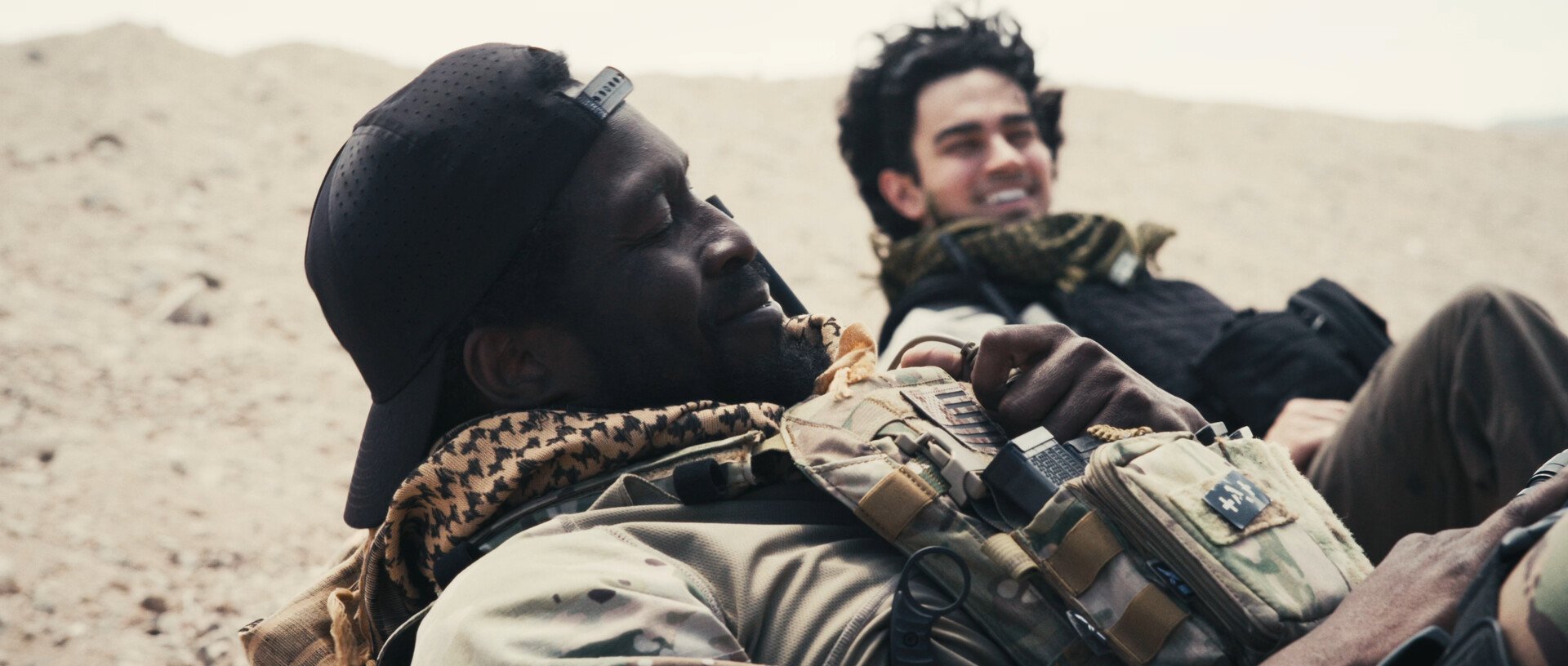
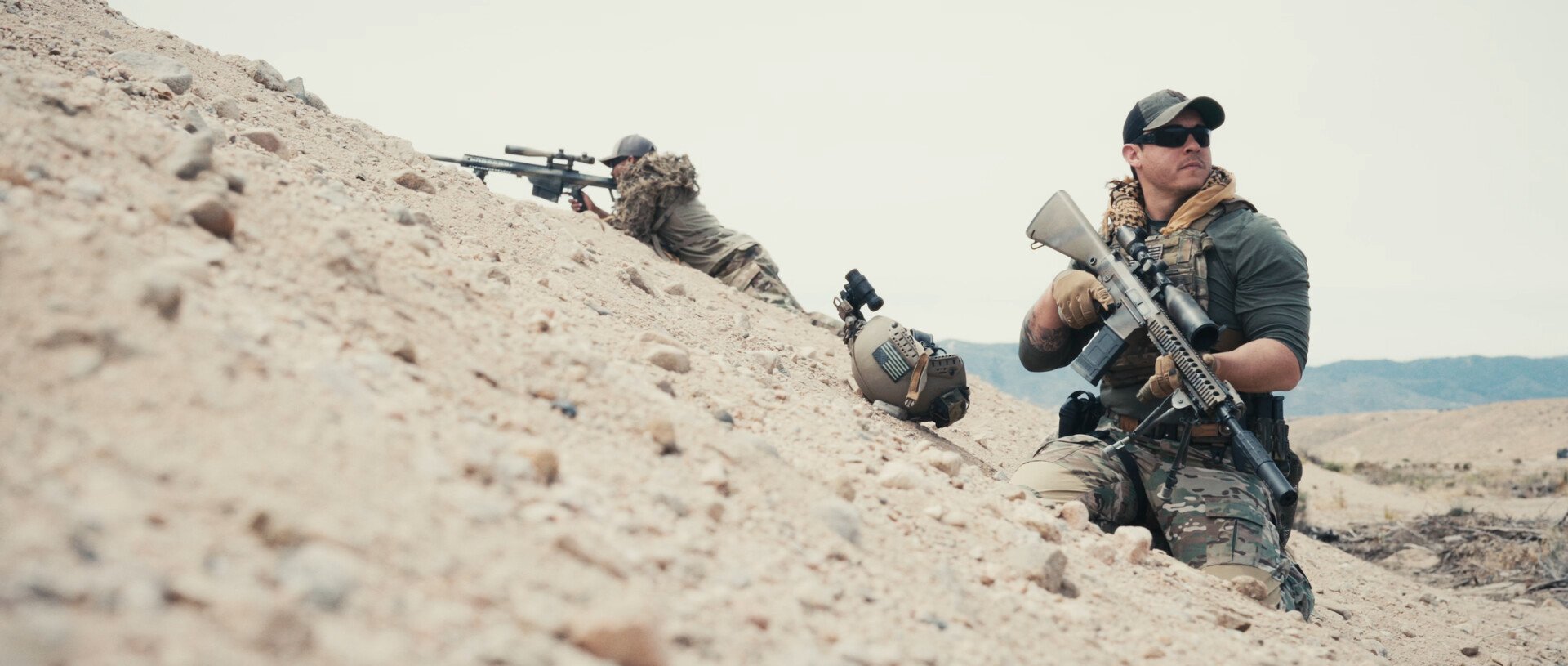
QUESTION#1: What has become your favorite memory in creating this film?: The cool thing about this film was the breakdown of the cast and crew...around 40% of the cast and crew were military vets, with little to no filmmaking or acting experience. Of the cast, all of the Special Ops team except for Rufus (Q) were vets. I made it a priority to cast real military guys, people I knew, because I wanted there to be a natural feel to how they spoke and interacted and moved around in the space. I didn't want it to seem like they were acting. The banter, how they were able to go from bs'ing and joking around to being locked on and addressing a situation, that's something that's hard to fake unless you've done it. So that experience was cool, it felt like hanging out with the guys and getting a job done...kind of like a deployment.
Related, introducing Rufus to the team was a great experience. I had Rufus come out to Cali a week before the shoot, and we spent a lot of time hanging out, talking about military and police work, tactics, etc. as well as really diving into his character. It was so important to try and get him to understand his character as a senior enlisted guy on the mission, the number two to the officer in charge, and understanding what it means to be that person on a deployment. I described him as being the older, more experienced big brother to the rest of the team...not someone in charge of them, but the cool head who's been through it before, and maybe has a bit more wisdom and perspective in life. We actually had a really nice dinner a couple days before the shoot, where Rufus was able to sit down with me and the guys, and he could see how we all actually interacted together, and we all talked about those very things, and it helped shatter a lot of the typical "Hollywood" preconceptions about military culture...a lot less Captain America, a lot more Sandlot, like a sports team of close friends. I think that authenticity really came through on screen, and it meant so much to me personally to help bring that to life.
QUESTION#2: What did you learn on this film that you will definately use when making your next film?: Planning, planning, and more planning!!! With the exception of some b-roll and a couple hours on the ranch to shoot the animals which we did on a different day, we shot the bulk of this movie in one day...one day! Call time for the crew was 6am, and we wrapped at 7pm, so only 13 hours later. And this was a 28-page script. The only way we were able to accomplish all that was precise planning. I basically treated the shoot like a military exercise, thinking through all the different contingencies, lots of rehearsing, planning, and delegating responsibilities. I think having that level of intimate knowledge of our story allowed us to flex when things didn't go exactly as planned (for example, we had to do a re-write midway through the day because the weather wouldn't allow us to put a drone up), and gave everyone the confidence to make decisions independently in the moment. I want to bring that philosophy to future projects...and I want to normalize NOT 16-hour shoot days, because everyone seemed to appreciate the efficiency of this shoot!
QUESTION#3: When it came time to edit your film, what did you prioritize in the edit and why?: My philosophy for the edit really stemmed from the script being developed like a stage play, where the interplay between the different characters pushes the story along as the main conversation progresses. As such, I focused on finding the rhythm of the conversation (as well as the integration of the tactical speak and radio chatter which happens alongside the actors' spoken word). I think good, natural dialogue, has a rhythm and flow to its cadence, almost a musicality to it. From an editing standpoint, once I established the sound and rhythm of that conversation, I was able to use that as the baseline for deciding which images to focus on.
It's hard to break down editing as a separate element in this film since I wrote, directed, and edited the film, because the edit was only the natural progression of all the elements that came before it. We spent a lot of time on rehearsals to establish that flow and really get the rhythm of the scenes dialed in, so when it came time to shoot, it felt natural and made the shoot itself very smooth. As it applies to the edit, the flow of the scene had a natural cadence to it already, which wouldn't have existed had we not set out to establish that before cameras even rolled, which made finding that rhythm in the edit a fairly smooth task. And considering this was a multi-language shoot, the sound was that much more of a critical element to telling the story.
QUESTION#4: Out of all the various crafting techniques it takes to make a film, which one is the most challenging for you, and what are you doing to improve in that area?: The hardest part for me is wanting to move too fast. Sometimes when I get momentum, it's so easy to ride that momentum, but then when you sit down with the footage, you find you didn't get enough coverage, or there are little mistakes in the shots you need to edit around, etc. I am prioritizing making sure I have people around me who can push back on those instincts and recognize when we need to slow down, do something again, take a little more care, adjust if something doesn't make sense. Filmmaking is all about the team you surround yourself with, and understanding that it's a group effort and even the boss needs someone to keep them honest.
QUESTION#5: If creating a film is like a making a cookie, what part of the bake matters the most, and what flavor is your movie's cookie?: For me, writing is the most important part. I think of it more like pizza-making than cookies (I make pizzas, haven't really experimented much with cookies!) but with a pizza, you can have all the best quality toppings and high-end ovens and tools, but if your crust is no good, your pizza is no good. You need that solid foundation. For movies, I think that foundation is writing. If you take the time to write something meaningful, and put it through the rigor of a critical eye, break it down thematically, challenge those themes, and see if it holds up...developing that intense level of understanding of your core story allows you to know what to focus on when it comes time to push it into reality. To me, that's the directing before the directing.
If our movie was a cookie, I'd call is a raspberry white chocolate macadamia nut cookie -- a little unorthodox, but the final product works!
Social media tags to share with our readers: Instagram @tallytwopictures