5Q's w/: Dima Puchkarev "Grillo" Director, Producer
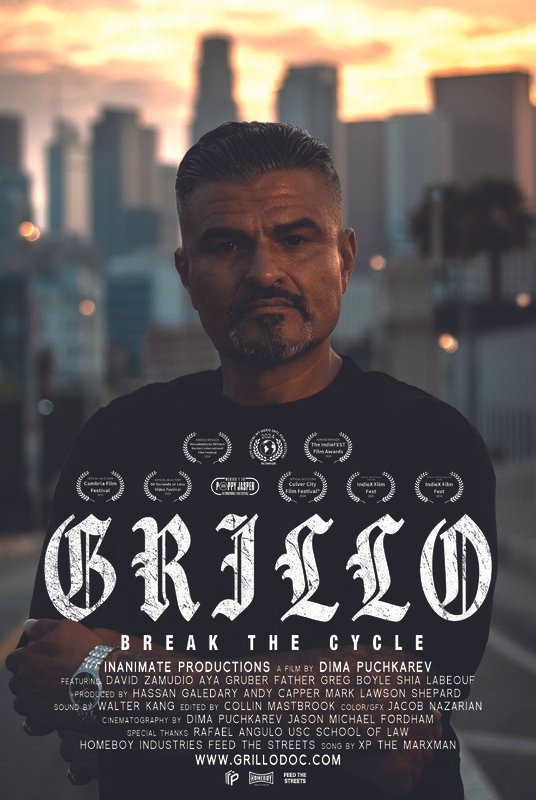
QUESTION#1: What about your film excites you the most?: What excites me most about Grillo is its ability to humanize someone society often writes off and to tell a story of transformation with honesty, vulnerability, and hope. It’s the chance to bridge worlds—art, incarceration, and healing—and to let audiences see the resilience and creativity that can emerge even from the most marginalized spaces.
QUESTION#2: What is it about your current movie that will influence your next film?: Working on Grillo has shown me the power of intimate, trust-based storytelling—how letting people reveal themselves in their own time creates deeper emotional truth. It’s reinforced my desire to keep centering real human resilience, layered identity, and social context, and to continue blending cinematic craft with an authentic, documentary-style vulnerability in my next film.
QUESTION#3: When you’re shooting a film, do you think of time as something you capture or something you construct?: Both. You’re capturing real moments as they unfold, but you’re also constructing time through framing, rhythm, and editing. Film lets you preserve what actually happened, while shaping how it’s felt—stretching, compressing, and reordering time to reflect emotional truth more than clock time.
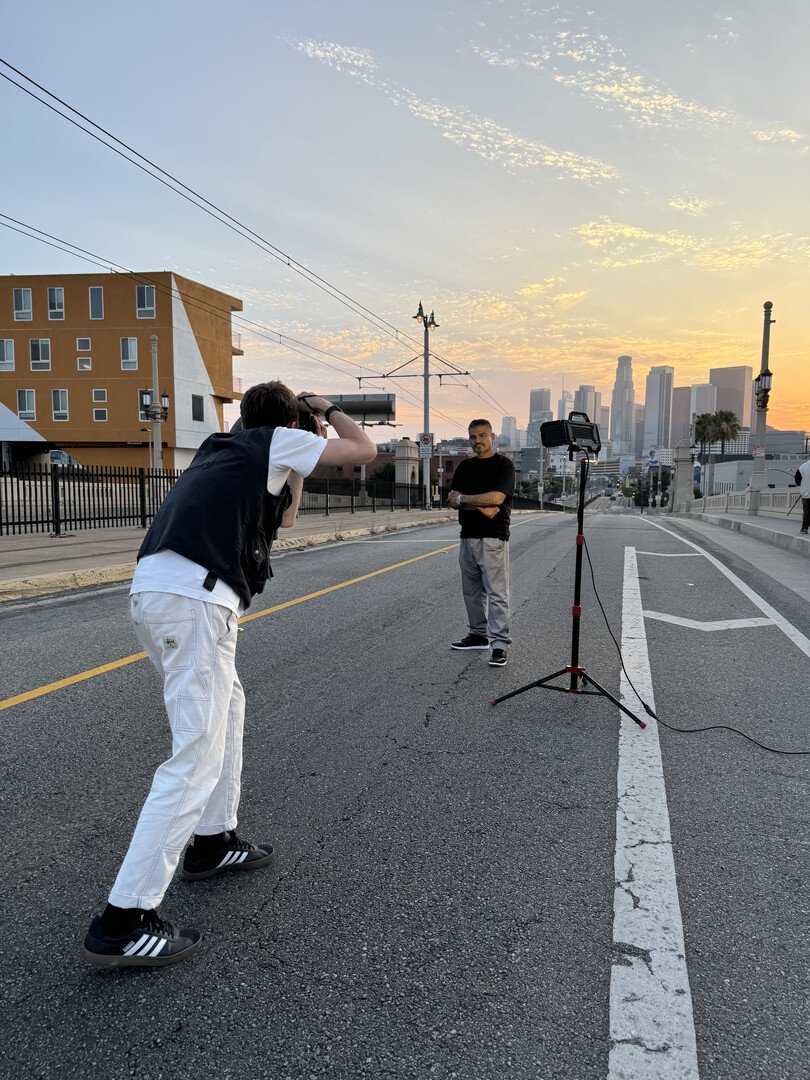
QUESTION#4: What’s a limitation you wish you had on your next shoot that would force you into making interesting creative decisions?: I’d love to impose a hard limitation of one lens and no artificial lighting for the entire shoot. Being forced to work only with natural light and a single focal length would push me to be more intentional about blocking, composition, time of day, and how emotion is conveyed through movement and space—less coverage, more meaning in every frame.
QUESTION#5: If a film shoot is like a living organism, which department do you think functions as its nervous system?: The assistant director team feels like the nervous system—constantly sending signals, coordinating movement, responding to stimuli, and keeping every department in sync so the whole organism can function in real time. Without that flow of communication, everything seizes up.
Social media tags to share with our readers: @grillodoc